Cancer
Long-term exposure to certain pesticides may increase the risk of serious health effects, including cancer.
— World Health Organization, 2022

Pesticides · Food · Everyday exposure
96.4%
CDC biomonitoring found 3-PBA — a urinary biomarker of exposure to several pyrethroid insecticides — in 2,713 of 2,814 tested samples.
— CDC / NHANES, 2017–2018
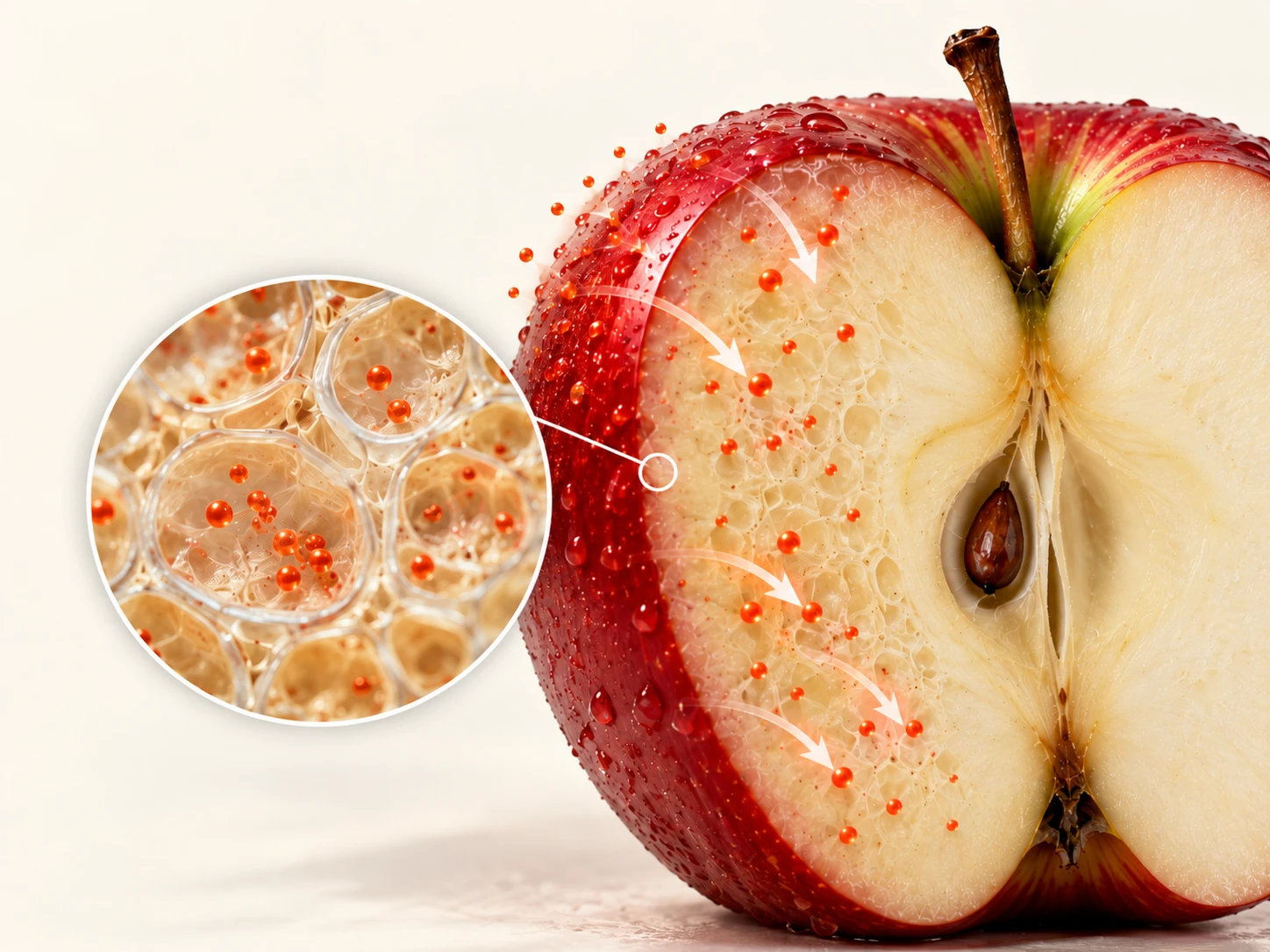
Systemic pesticides are designed to be absorbed by a plant and move through its tissues. That means residues may not always be limited to the skin — they can be present within the plant itself.
A nationally representative U.S. study found glyphosate in 81.7% of urine samples in the latest NHANES cycle analyzed. Children aged 6–11 had the highest creatinine-adjusted glyphosate concentrations among the age groups studied.
— CDC / NHANES, samples collected 2017–2018 Study published 2024
In USDA’s 2024 Pesticide Data Program, 9,872 food samples were tested for hundreds of different pesticides and their metabolites. Detectable pesticide residues were found in 57.7% of samples, while 39.8% contained residues of more than one pesticide.
— USDA Pesticide Data Program, 2024
Long-term exposure to certain pesticides may increase the risk of serious health effects, including cancer.
— World Health Organization, 2022
Long-term pesticide exposure can adversely affect reproduction at sufficient levels of exposure.
— World Health Organization, 2022
Some pesticides can act as endocrine disruptors, interfering with normal hormone activity.
— European Food Safety Authority, 2026
But Detoxer can
5.50 mg/kg
0.13 mg/kg
97.6% reduction
117.30 mg/kg
0.12 mg/kg
99.9% reduction
2,700 CFU/g
100 CFU/g
96.3% reduction
Choose your Detoxer

with promocode HEALTH30
Free shipping available · 14-day returns · 1-year warranty
Delivery in 3–7 business days
Free shipping
1-year warranty
14-day returns
Questions & answers
Water helps wash away dirt and some surface residues. But not every pesticide residue is limited to the surface.
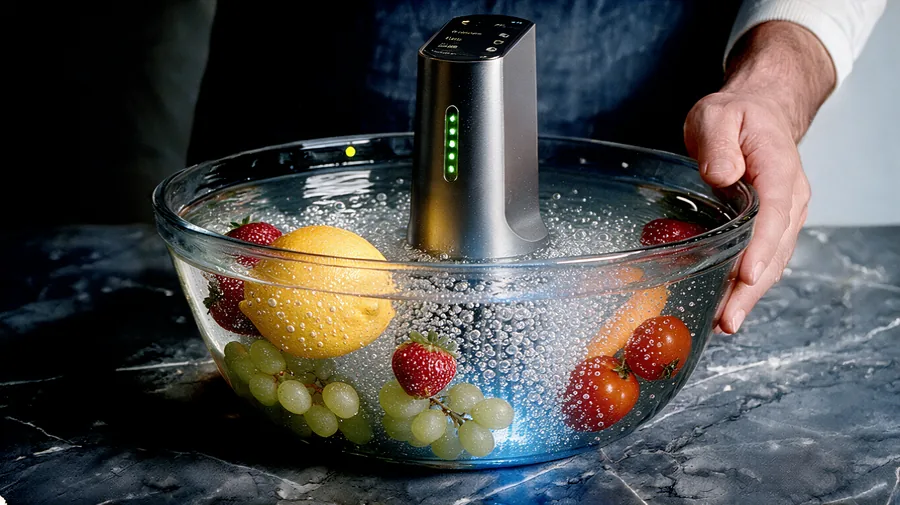
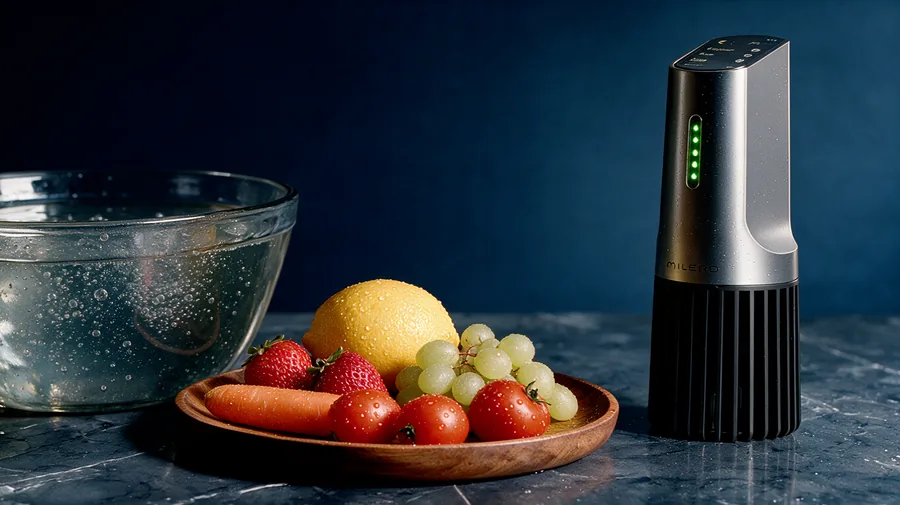
Detoxer 2 goes beyond a quick rinse, combining active oxygen, ultrasonic waves and ultraviolet light as an additional food-cleaning step.
In independent laboratory testing, Detoxer reduced glyphosate by 97.6%.
A 15-minute baking soda soak removes most surface pesticide residue — yet around 20% of the pesticide absorbed into the peel remains beyond the reach of washing.
─ Journal of Agricultural and Food Chemistry, 2017
Yes. Detoxer can be used as part of food preparation for fruit, vegetables, meat, fish and more.
Detoxer is designed to clean food while preserving its natural taste and texture.